Introduction
In today's fast-paced digital landscape, remaining ahead of technological developments is vital for services aiming to prosper. The world of business networking hardware plays an essential function in ensuring robust and efficient communication within organizations. Whether it's about enhancing information speeds, enhancing connectivity, or making sure smooth combination among various systems, understanding the latest trends in this field is paramount. In this article, we dive deep into the Top 5 Patterns in Business Networking Hardware You Need to Know About that are shaping the future of connectivity.
Top 5 Trends in Enterprise Networking Hardware You Need to Know About
The Rise of Fiber Optic Cables- Understanding Fiber Optic Technology Advantages Over Conventional Copper Cables Choosing a Reputable Fiber Optic Cables Supplier
- What Are Optical Transceivers? Benefits of Utilizing Suitable Optical Transceivers How They Enhance Network Performance
- Defining Open Network Switches The Shift from Proprietary Systems Cost-Effectiveness and Scalability
- Importance of Telecommunication Infrastructure Integrating Data-Com Solutions Future-Proofing Your Network
- What Is Software-Defined Networking? Benefits of SDN for Enterprises Implementation Challenges and Solutions
The Rise of Fiber Optic Cables
Understanding Fiber Optic Technology
Fiber optic cable televisions have revolutionized the way we consider network connectivity. Unlike standard copper cables that send data via electrical signals, optical fiber use light pulses to communicate details at incredibly high speeds over longer ranges without loss or degradation. This innovation is vital for fulfilling the growing needs for bandwidth in enterprise environments.
Advantages Over Traditional Copper Cables
The benefits of fiber optic cables over their copper equivalents are manifold:
- Speed: Fiber optic cables can transfer data at speeds exceeding 1 Gbps, which substantially exceeds traditional copper wires. Distance: While copper cables struggle over long distances, fiber optics can keep high efficiency over a number of kilometers. Interference Resistance: Fiber is unsusceptible to electro-magnetic disturbance, making it perfect for environments with heavy machinery or other electronic devices. Security: Information transferred through fiber optics is more secure as it's harder to use compared to copper lines.
Choosing a Reliable Fiber Optic Cables Supplier
Finding a credible provider for your fiber optic requirements is crucial. Try to find providers that offer:
- Quality accreditations (such as ISO requirements) Comprehensive product varieties including various kinds of cables matched for various applications Excellent customer support and assistance options Competitive rates while ensuring quality
Investing time in choosing the best supplier can lead you to better products and improved network performance.
Compatible Optical Transceivers: A Game Changer
What Are Optical Transceivers?
Optical transceivers are integral components in networking that help with the transmission and reception of data over fiber optics. They transform electrical signals into optical signals and vice versa, enabling smooth interaction between devices.
Benefits of Utilizing Suitable Optical Transceivers
Using compatible optical transceivers supplies numerous advantages:
Cost Performance: Compatible choices normally come at a lower cost than initial equipment producer (OEM) parts without jeopardizing on performance. Broad Compatibility: Many suitable transceivers work throughout different producers' devices, offering flexibility when updating or broadening your network. High Performance: Quality compatible transceivers can offer exceptional speed and dependability equivalent to OEM versions.How They Boost Network Performance
Integrating suitable optical transceivers into your networking hardware allows business to boost performance by minimizing latency and improving overall data throughput. Quick setup processes mean less downtime during upgrades or upkeep, which is invaluable in today's competitive business environment.
Open Network Changes: Flexibility and Customization
Defining Open Network Switches
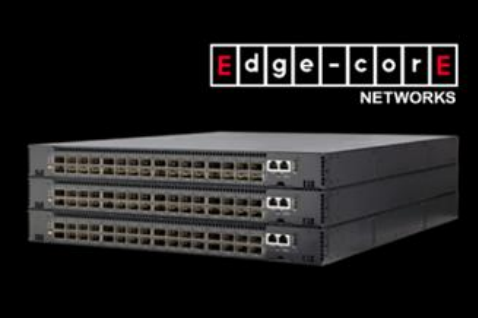
Open network switches enable users to run their software on standard hardware rather than being locked into proprietary systems offered by manufacturers. This open technique fosters development and versatility as organizations can customize their networking options according to specific needs.
The Shift from Proprietary Systems
Many organizations are moving far from proprietary systems due to their restrictions in scalability and flexibility. Open network switches break these barriers by offering access to third-party software application solutions that improve functionality-- enabling companies to adapt quickly as innovation evolves.
Cost-Effectiveness and Scalability
Implementing open network switches can yield considerable cost savings in time due to decreased licensing fees related to exclusive systems. In addition, businesses can scale their networks more easily, adding new capabilities without being slowed down by stiff vendor contracts.
Telecom and Data-Com Connectivity Solutions
Importance of Telecommunication Infrastructure
Telecom infrastructure forms the foundation of any organization's networking capabilities. Robust telecommunication services guarantee that all devices interact effectively while handling increasing volumes of traffic seamlessly.
Integrating Data-Com Solutions
Data-com services are important for effective telecom operations as they assist in real-time information exchange across various platforms-- be it voice interactions or information transfers over networks created for high capacity usage.
Future-Proofing Your Network
To guarantee longevity in your telecom infrastructure financial investments, think about scalable services that accommodate emerging technologies like IoT (Internet of Things) while preserving compatibility with existing systems.
Embracing Software-Defined Networking (SDN)
What Is Software-Defined Networking?
Software-defined networking represents a paradigm shift where network control is decoupled from physical hardware devices enabling centralized management through software application applications-- enhancing operations substantially while improving agility.
Benefits of SDN for Enterprises
Adopting SDN offers a number of benefits:
Improved resource allotment results in better performance. Enhanced security procedures can be carried out quickly across the network. Rapid provisioning allows quick release of services tailored particularly towards user needs.Implementation Difficulties and Solutions
While transitioning towards an Homepage SDN architecture might pose obstacles such Fiber optic cables supplier as training staff on brand-new systems or prospective interoperability issues with tradition equipment-- these obstacles can frequently be overcome through mindful planning paired with specialist assessment throughout application phases.
Frequently Asked Concerns (Frequently asked questions)
Q1: Why must I select fiber optic cables over copper?
A1: Fiber optic cables offer greater speeds, greater distance abilities, immunity from electro-magnetic interference, and boosted security compared to copper wires-- making them perfect for modern-day enterprise networks.
Q2: How do suitable optical transceivers compare with OEM versions?
A2: Compatible optical transceivers often provide comparable efficiency levels at reduced expenses compared to OEM options while making sure broad compatibility throughout different manufacturers' devices.
Q3: What makes open network changes advantageous?
A3: Open network switches allow customization through third-party software application applications, promoting scalability without being tied down by proprietary vendor agreements-- resulting in cost savings over time.
Q4: Can I integrate telecom options with my present data-com infrastructure?
Q5: What challenges might I face when implementing Software application Defined Networking (SDN)?
A5: Common obstacles include personnel training on new systems along with potential interoperability concerns; however these can be handled through strategic planning together with professional assistance during shift phases!
Conclusion
Navigating through the complex world of enterprise networking hardware requires not only understanding existing trends but likewise expecting future developments that could affect organizational effectiveness considerably! As we've explored in this post-- the interaction between innovations such as optical fiber, compatible optical transceivers, open network switches in addition to robust telecom/data-com connectivity services integrated with advancements like software-defined networking shapes how business run today-- and will continue doing so moving forward!
By keeping up with these top 5 patterns highlighted herein-- you'll ensure your organization stays agile enough not just endure-- but really grow amidst an ever-evolving digital landscape!